
Hiring a Food Photographer in San Diego: Costs, Process, and FAQ
I have been photographing food, restaurants, and beverage brands in San Diego since 2013, and these are the questions I hear most from restaurant owners and marketing managers before their first shoot. The first question is almost always what food photography costs, so we will start there. Straight answers below. If yours is not covered here, just ask.
What does food photography cost in San Diego?
San Diego is a highly varied market. The factors that put upward pressure on price are advertising use for national campaigns and larger crews, with assistants, digital techs, and food stylists on set. There are a lot of variables to consider when quoting larger jobs for advertising or packaging. For smaller restaurant level jobs, you can expect a day rate between $1,000 and $1,500 for a half day and $2,200 to $3,000 for a full day. Additional crew, expenses or highly detailed retouching can add a bit to the base fees.
How many dishes can you shoot in a half day?
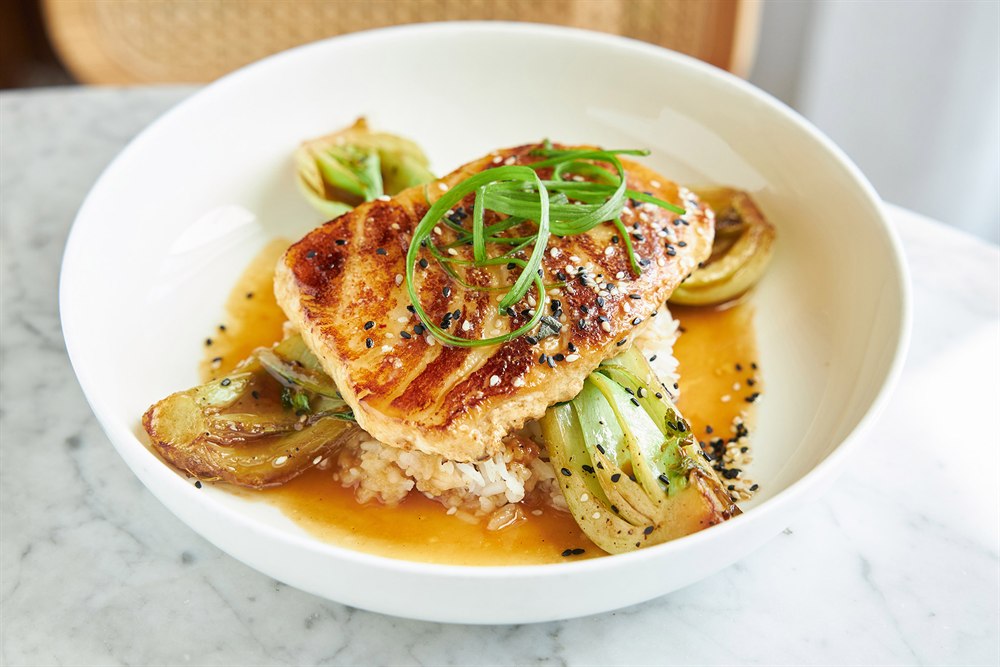
It really depends on the client and how carefully crafted they want their images to be. I have had clients spend almost an entire day on two burger shots with a food stylist at my studio, and I have had restaurants bring me one dish every ten minutes to shoot in the exact same lighting and backdrop for a very uniform menu look. A comfortable pace for normal restaurant food that is reasonably well styled by the kitchen is about 15 minutes per plate. That gives me time to play with different angles, dial in lighting that is specific to each dish, and do some tweezing of my own. It works out to about 16 to 18 plates in a half day.
Do you shoot at the restaurant or in a studio?
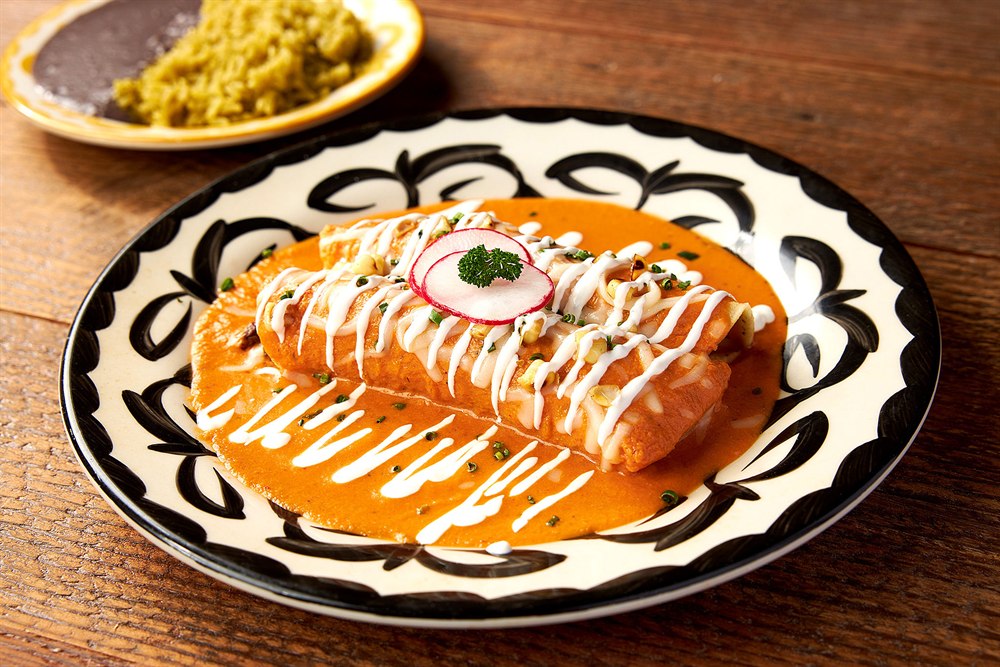
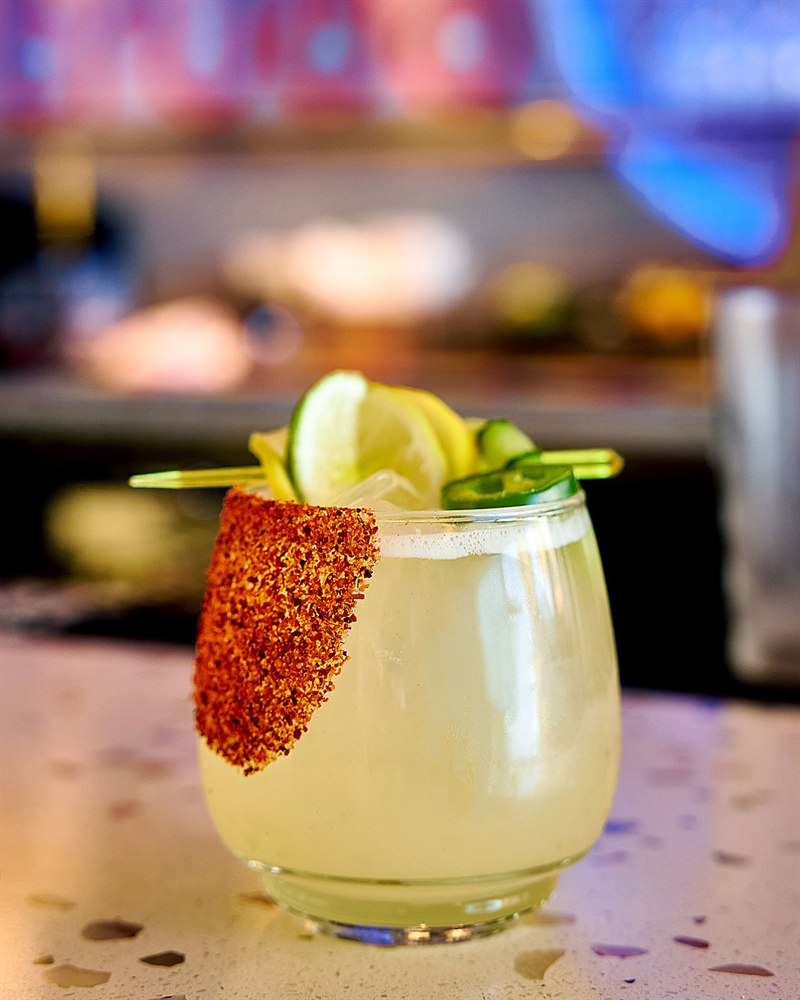
Both. My studio has a full kitchen for food prep, cooking, and styling. Beverage shots really work best at the studio because we can use acrylic ice, glycerin for water droplets, ice powder, and the full complement of tricks and gadgets, along with better control of lighting and reflections. I often shoot the more carefully crafted images there for food packaging and bigger ad campaigns. I am equally happy shooting in a restaurant, since having some of the restaurant environment in the shot gives a better sense of brand and context. Sometimes I can even bring surfaces or props that are similar to the restaurant’s aesthetic.
Who owns the photos, and how does licensing work?
This is negotiable, but in 90 percent of cases I retain copyright and sell my clients a perpetual license or a 10 year license. I always want the right to use my work in my portfolio and self promotion. Occasionally a magazine will ask me for an image of a certain restaurant that I shot for another purpose, and I can license them an image I already made. This is what allows artists to make a consistent living and build leverage and equity. This business is difficult enough without being able to leverage your past work, so I always advocate for artists retaining their rights. There is no harm to the client as long as they use the work for its intended purpose. It is a win-win, and it means neither of us needs to track renewals or worry about limitations. The one thing I do not allow is re-licensing my images to third parties.
What should a restaurant prepare before the shoot?
Have a list of the dishes you plan to shoot, and make sure every ingredient is on hand and in stock (you would be surprised!). It also helps to have a general idea of the background or surface you want to shoot on, and to share that with me ahead of time. You might love a wooden table in your dining room without realizing it is too glossy or just does not photograph well. I may have a very similar wood surface I can bring that keeps you on brand but improves the imagery.
Also think about the layouts and aspect ratios you need: banner images versus square crops, landscape versus portrait, and so on, to fit how you plan to use the photos. Changing the angle or switching from horizontal to vertical can require more than a camera move. It often means lighting and styling adjustments that take time. If you are new to all of this, my guide to shot lists is a good place to start.
How fast is turnaround?
I can generally turn around retouched food images in 3 to 5 business days, and a week or two is pretty standard in this market. It is best to book ahead and have some patience so we can focus on quality over quantity. That said, I am always willing to rush a few teaser images if a client really needs them fast, and I can typically rush a larger set for a small fee by bringing in an outside retoucher. I have plenty of excellent contacts. There is always a way!
Ready when you are
If you are planning a menu update, a new opening, or a packaging project, take a look at my San Diego food and beverage photography, then get in touch and tell me what you are cooking.
Curious where all this experience comes from? Here is a look at the San Diego restaurants I have photographed over the years.
Before you ask for a quote, it helps to have a shot list. Build one in a few minutes and send it over, and I can price the job properly rather than guessing.
Run a restaurant? Everything I do for menus, bars and dining rooms is on one page: San Diego food photography for restaurants.
Get new lighting tutorials by email
When a new guide like this one goes up, be the first to know. A few emails a year, no spam.
I share the lighting setups and behind‑the‑scenes from shoots like this on Instagram.
Follow @robandrewphoto